
CPAP PRO-Sleep Test Expert-睡眠窒息檢測-鼻鼾

Sleep apnea affects nearly a million people in Hong Kong. Are you one of them?

Schedule an in-home sleep test

What’s sleep apnea?

Introduction to Common Sleep Disorders

Sleep Apnea (Obstructive Sleep Apnea, OSA)

Causes include obesity (thick and short neck), enlarged tongue base, collapse of the soft palate when lying on the back, enlarged tonsils (common in children), and genetic factors. These issues can lead to obstruction of the upper airway, resulting in symptoms such as loud snoring, breathing pauses, and inadequate ventilation.


This condition can be detected through physiological indicators such as drops in blood oxygen levels accompanied by compensatory increases in heart rate, as well as frequent arousals or awakenings during sleep. It is considered a systemic disease.

Book a Consultation →

Insomnia

Sleep quality is directly linked to physical and mental health as well as work performance and mental alertness. Insomnia is defined as a subjective perception of dissatisfaction with the duration and/or quality of sleep, despite having adequate sleep time and a suitable sleeping environment, which also affects daytime social functioning.

Book a Consultation →

Symptoms of Sleep Disorders (Clinical Manifestations)

Clinical Recommendation: If any of the following symptoms or conditions occur, timely sleep screening and diagnosis should be performed.

  • Sleep apnea

    Snoring

    Sleep apnea

    Choking or gasping

    Sleep fragmentation

    Breathing pauses (apnea)

  • Common symptoms

    Sleep fragmentation

    Difficulty falling asleep

    Not feeling rested

    Excessive daytime sleepiness

    Mood disorders

    Lack of energy

    Decreased quality of life

    Worry about sleep

    Social dysfunction

    Reduced concentration

  • Insomnia

    Excessive tension and anxiety about sleep

    Negative sleep associations

    Frequent awakenings

Long-term sleep disorders cause far more damage to the body and mind than you imagine

Sleep disorders are not merely a nighttime issue of insomnia, but a decisive factor affecting overall daytime health. They directly disrupt endocrine balance, intensify systemic inflammation, and impair metabolic function and neuroplasticity.

Key Signals for Identifying Sleep Problems

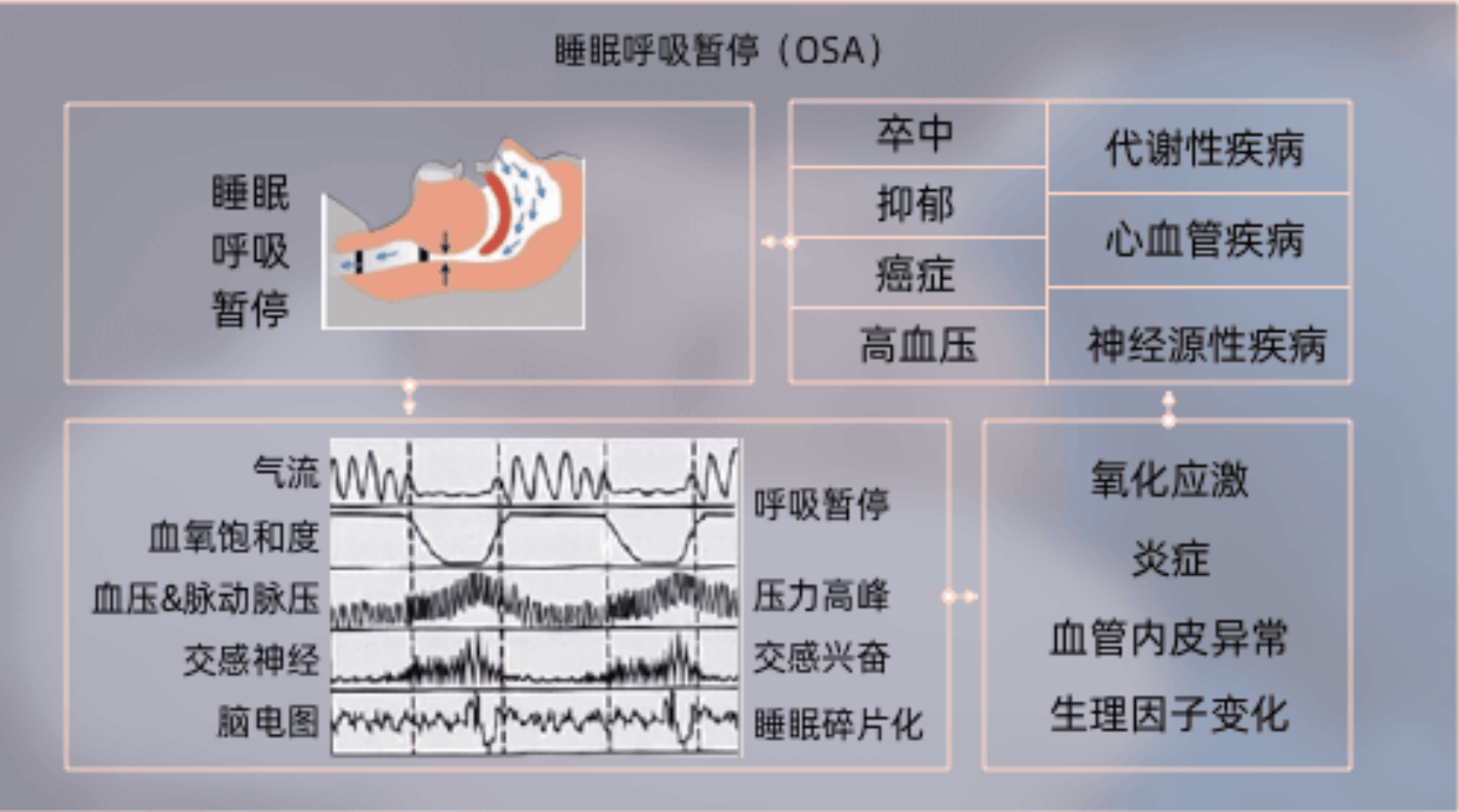
In high-quality sleep, the charts display smooth and regular curves. When the following specific abnormal “patterns” appear, they may serve as health warnings from the body. Learning to recognize these signals is the first step toward understanding your own sleep condition.

  • Cardiovascular diseases
    • Hypertension
    • Coronary heart disease
    • Cardiac arrhythmia
    • Cognitive impairment
    • Dementia
    • Myocardial infarction
    • Cerebral infarction (stroke)
  • Metabolic Diseases
    • Obesity
    • Diabetes
    • Insulin resistance
    • Hyperlipidemia
  • Societal Harms
    • Traffic accidents
    • Public safety
    • Work performance / Safety efficiency
    • Quality of life

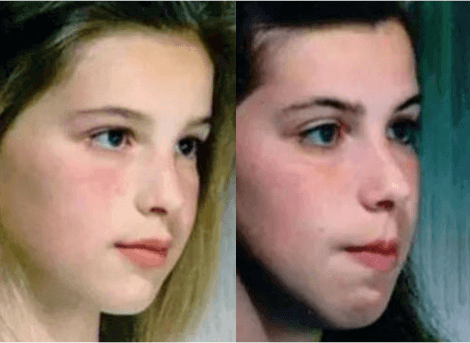
How OSA Affects Development in Children

Pediatric obstructive sleep apnea (OSA) refers to the frequent occurrence of partial or complete upper airway obstruction during a child’s sleep. This interferes with normal ventilation and sleep architecture, resulting in a series of pathophysiological changes. Early screening and prompt treatment in preschool children are effective measures to reduce the harms of OSA.

Sleep apnea affects nearly a million people in Hong Kong. Are you one of them?

Schedule an in-home sleep test

What’s sleep apnea?

Introduction to Common Sleep Disorders

Sleep Apnea (Obstructive Sleep Apnea, OSA)

Causes include obesity (thick and short neck), enlarged tongue base, collapse of the soft palate when lying on the back, enlarged tonsils (common in children), and genetic factors. These issues can lead to obstruction of the upper airway, resulting in symptoms such as loud snoring, breathing pauses, and inadequate ventilation.


This condition can be detected through physiological indicators such as drops in blood oxygen levels accompanied by compensatory increases in heart rate, as well as frequent arousals or awakenings during sleep. It is considered a systemic disease.

Book a Consultation →

Insomnia

Sleep quality is directly linked to physical and mental health as well as work performance and mental alertness. Insomnia is defined as a subjective perception of dissatisfaction with the duration and/or quality of sleep, despite having adequate sleep time and a suitable sleeping environment, which also affects daytime social functioning.

Book a Consultation →

Symptoms of Sleep Disorders (Clinical Manifestations)

Clinical Recommendation: If any of the following symptoms or conditions occur, timely sleep screening and diagnosis should be performed.

  • Sleep apnea

    Snoring

    Sleep apnea

    Choking or gasping

    Sleep fragmentation

    Breathing pauses (apnea)

  • Common symptoms

    Sleep fragmentation

    Difficulty falling asleep

    Not feeling rested

    Excessive daytime sleepiness

    Mood disorders

    Lack of energy

    Decreased quality of life

    Worry about sleep

    Social dysfunction

    Reduced concentration

  • Insomnia

    Excessive tension and anxiety about sleep

    Negative sleep associations

    Frequent awakenings

Long-term sleep disorders cause far more damage to the body and mind than you imagine

Sleep disorders are not merely a nighttime issue of insomnia, but a decisive factor affecting overall daytime health. They directly disrupt endocrine balance, intensify systemic inflammation, and impair metabolic function and neuroplasticity.

  • Cardiovascular diseases
    • Hypertension
    • Coronary heart disease
    • Cardiac arrhythmia
    • Cognitive impairment
    • Dementia
    • Myocardial infarction
    • Cerebral infarction (stroke)
  • Metabolic Diseases
    • Obesity
    • Diabetes
    • Insulin resistance
    • Hyperlipidemia
  • Societal Harms
    • Traffic accidents
    • Public safety
    • Work performance / Safety efficiency
    • Quality of life

Key Signals for Identifying Sleep Problems

In high-quality sleep, the charts display smooth and regular curves. When the following specific abnormal “patterns” appear, they may serve as health warnings from the body. Learning to recognize these signals is the first step toward understanding your own sleep condition.

  • Physiological Signals

    Airflow

    Blood oxygen saturation

    Blood pressure & pulse pressure

    Leg EMG (muscle activity)

    Brain waves (EEG)

  • polysomnography
  • Health Alerts

    Respiratory pauses (apnea)

    Stress peaks

    Sympathetic excitation

    Sleep fragmentation

How OSA Affects Development in Children

Pediatric obstructive sleep apnea (OSA) refers to the frequent occurrence of partial or complete upper airway obstruction during a child’s sleep. This interferes with normal ventilation and sleep architecture, resulting in a series of pathophysiological changes. Early screening and prompt treatment in preschool children are effective measures to reduce the harms of OSA.

Sleep apnea affects nearly a million people in Hong Kong. Are you one of them?

Schedule an in-home sleep test

What’s sleep apnea?

Introduction to Common Sleep Disorders

Sleep Apnea (Obstructive Sleep Apnea, OSA)

Causes include obesity (thick and short neck), enlarged tongue base, collapse of the soft palate when lying on the back, enlarged tonsils (common in children), and genetic factors. These issues can lead to obstruction of the upper airway, resulting in symptoms such as loud snoring, breathing pauses, and inadequate ventilation.


This condition can be detected through physiological indicators such as drops in blood oxygen levels accompanied by compensatory increases in heart rate, as well as frequent arousals or awakenings during sleep. It is considered a systemic disease.

Book a free consultation →

Insomnia

Sleep quality is directly linked to physical and mental health as well as work performance and mental alertness. Insomnia is defined as a subjective perception of dissatisfaction with the duration and/or quality of sleep, despite having adequate sleep time and a suitable sleeping environment, which also affects daytime social functioning.

Book a free consultation →

Symptoms of Sleep Disorders (Clinical Manifestations)

Clinical Recommendation: If any of the following symptoms or conditions occur, timely sleep screening and diagnosis should be performed.

  • Sleep apnea

    Snoring

    Sleep apnea

    Choking or gasping

    Sleep fragmentation

    Breathing pauses (apnea)

  • Common symptoms

    Sleep fragmentation

    Difficulty falling asleep

    Not feeling rested

    Excessive daytime sleepiness

    Mood disorders

    Lack of energy

    Decreased quality of life

    Worry about sleep

    Social dysfunction

    Reduced concentration

  • Insomnia

    Excessive tension and anxiety about sleep

    Negative sleep associations

    Frequent awakenings

Long-term sleep disorders cause far more damage to the body and mind than you imagine

Sleep disorders are not merely a nighttime issue of insomnia, but a decisive factor affecting overall daytime health. They directly disrupt endocrine balance, intensify systemic inflammation, and impair metabolic function and neuroplasticity.

  • Cardiovascular diseases
    • Hypertension
    • Coronary heart disease
    • Cardiac arrhythmia
    • Cognitive impairment
    • Dementia
    • Myocardial infarction
    • Cerebral infarction (stroke)
  • Metabolic Diseases
    • Obesity
    • Diabetes
    • Insulin resistance
    • Hyperlipidemia
  • Societal Harms
    • Traffic accidents
    • Public safety
    • Work performance / Safety efficiency
    • Quality of life

Key Signals for Identifying Sleep Problems

In high-quality sleep, the charts display smooth and regular curves. When the following specific abnormal “patterns” appear, they may serve as health warnings from the body. Learning to recognize these signals is the first step toward understanding your own sleep condition.

How OSA Affects Development in Children

Pediatric obstructive sleep apnea (OSA) refers to the frequent occurrence of partial or complete upper airway obstruction during a child’s sleep. This interferes with normal ventilation and sleep architecture, resulting in a series of pathophysiological changes. Early screening and prompt treatment in preschool children are effective measures to reduce the harms of OSA.